

Your COE is expiring. Now what? Deciding whether to scrap a car Singapore-style or explore exporting is one of the biggest financial calls a car owner faces. Get it wrong, and you could lose thousands. Get it right, and you walk away with more than you expected.
This is not just about the car — it is about recovering as much of your investment as possible before you move on. This guide breaks down your options clearly — what you get back, how the LTA deregister car process works, and how to decide what makes the most financial sense for your situation.
Key Takeaways
- You have three options at COE expiry: renew, scrap, or export the car Singapore-style
- Scrap before 10 years to qualify for both PARF and COE rebates
- Scrap car value Singapore = PARF rebate + COE rebate + body value
- Exporting can fetch more than scrapping for well-maintained, popular makes
- All deregistrations must go through LTA via OneMotoring using SingPass
- Common mistakes cost real money — knowing them puts you ahead
What Are Your Options When Your COE Expires?
In Singapore, every car is registered under a Certificate of Entitlement (COE). When the 10-year COE period ends, you have three paths: renew your COE, scrap your car, or export it.
Renewing keeps your car on the road — but you permanently lose your PARF rebate the moment you renew. For older or high-mileage cars, renewal often does not make financial sense.
That leaves scrapping or exporting. Both trigger the LTA deregister car process, and both unlock rebates — if you act before your COE expires. Understanding your COE expiry car options is the first step to making the right call.
Read Car Financing in Singapore (2026): How to Get the Best Loan for a Used Car
How Scraping a Car Works in Singapore
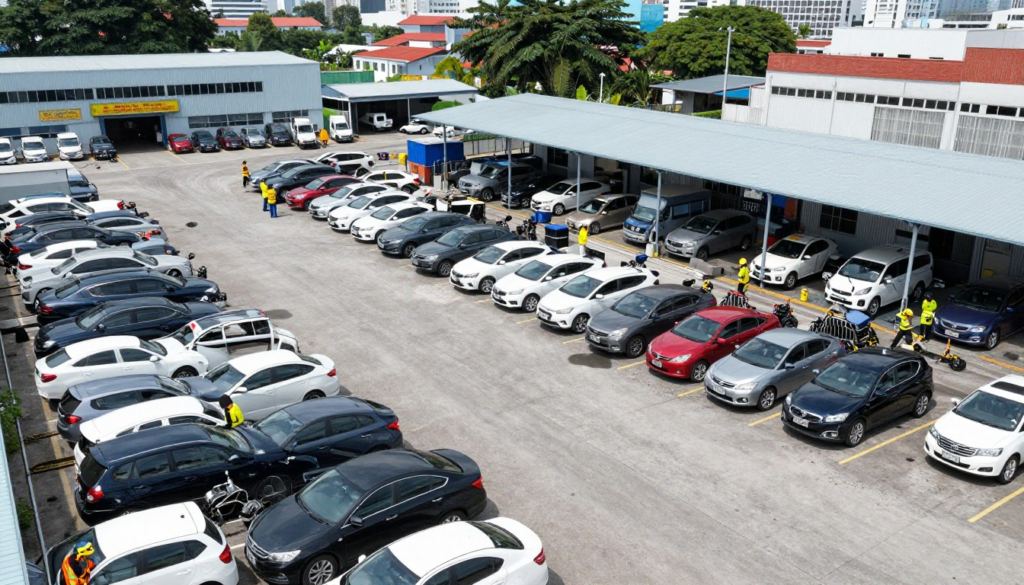
When you choose to scrap a car Singapore-style, you are permanently removing your vehicle from the road. The car goes to an LTA-appointed scrapyard, and you receive financial rebates from the government in return.
What Makes Up Your Scrap Car Value in Singapore?
Your total scrap car value in Singapore has three components:
- PARF rebate — a refund of part of the Additional Registration Fee (ARF) you paid when you first registered the car
- COE rebate — a pro-rated refund of the unused portion of your 10-year COE
- Body value — what the scrapyard pays for the physical vehicle, based on its condition and market demand
The rebates are the bulk of your return. Body value from the scrapyard is typically modest in comparison.
A Simple Example
Say your car has an ARF of S$20,000, is 8 years old, and has 2 years remaining on its COE with a quota premium of S$60,000.
- PARF rebate: 50% of S$20,000 = S$10,000
- COE rebate: (S$60,000 x 24 months) ÷ 120 = S$12,000
- Body value: varies by scrapyard
Combined, you could walk away with over S$22,000 — before factoring in any additional offer from a dealer.
The LTA Deregister Car Process — Step by Step
- Check your PARF and COE rebate on OneMotoring via SingPass before committing
- Clear any outstanding car loan with your finance company
- Drive or tow your car to an LTA-appointed scrapyard
- Deregister on-site using SingPass (2FA required)
- Submit proof of disposal to LTA within one month
- Rebates are paid within 14 working days via PayNow or GIRO
Failing to submit proof of disposal within one month can result in fines of up to S$2,000 or three months’ imprisonment. Do not skip this step.
When Does Exporting Your Car Make More Sense?
Export car to Singapore is the second option — and for some cars, it pays significantly better than scrapping.
Singapore-registered cars are well-regarded internationally. They are known for being regularly serviced and well-maintained. Buyers in markets such as New Zealand, Sri Lanka, and parts of Africa actively seek them out — particularly popular Japanese makes like Toyota, Honda, and Nissan.
Exporting also triggers the same LTA deregister car process. You still receive PARF and COE rebates if eligible. The difference is that an exporter pays you for the car on top of those rebates, often at a higher figure than a local scrapyard would offer.
Exporting tends to make more sense when:
- Your car is under 10 years old and in good physical condition
- It is a popular make with strong overseas demand
- It has relatively low mileage for its age
- Export market demand is active — this fluctuates, so timing matters
Join our satisfied customers community →
Scrap vs Export — Which Is Right for Your Car?
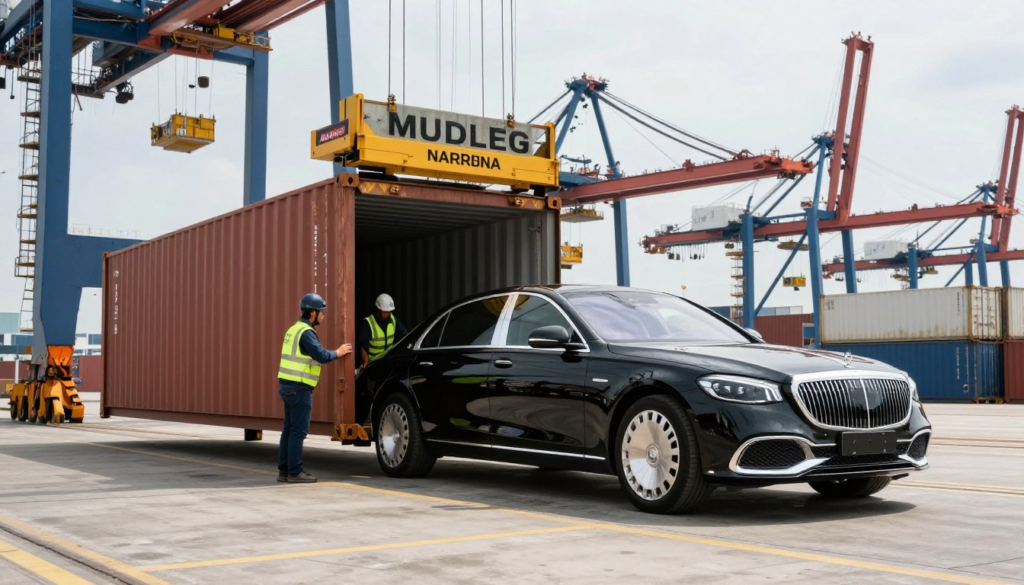
It is not always an easy decision — especially if the car has been part of the family for years. But getting the numbers right makes the next step clearer.
| Factor | Scrap | Export |
| Best suited for | Older cars, high mileage, nearly 10 years old | Well-maintained cars, popular makes, lower mileage |
| PARF rebate | Yes, if under 10 years | Yes, if under 10 years |
| COE rebate | Yes, if the COE has not expired | Yes, if the COE has not expired |
| Additional return | Modest body value from the scrapyard | Potentially higher return from overseas buyer |
| Complexity | Straightforward | Requires a trusted dealer |
| Typical timeline | 1 to 2 weeks | Varies by market and logistics |
If your car is a high-mileage German make approaching 10 years, scrapping is likely the cleaner path. If you have a well-kept 7-year-old Japanese family car, exporting could net you considerably more.
Getting a proper valuation first removes the guesswork entirely.
Common Mistakes That Cost Singapore Car Owners Money
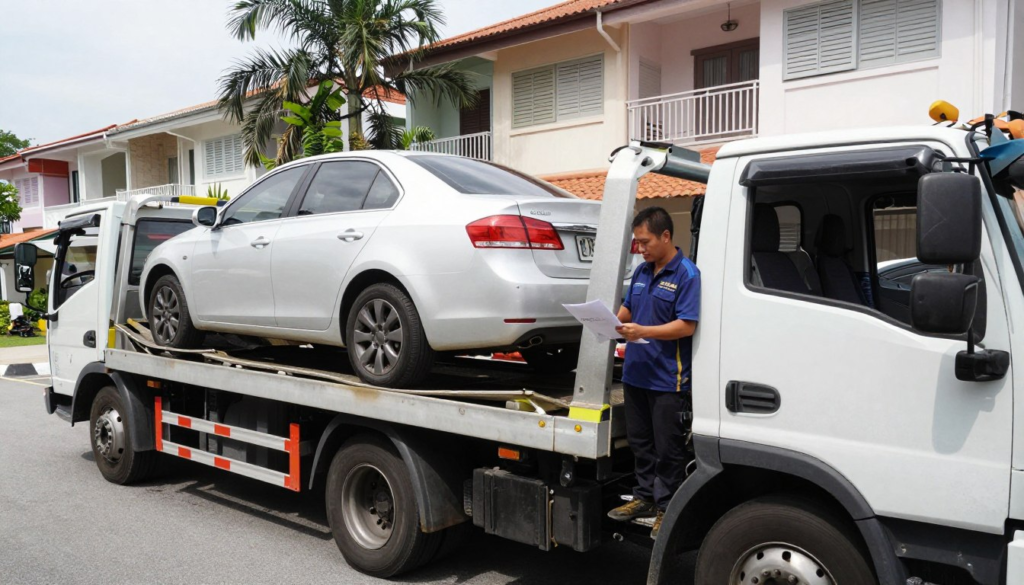
Avoid these — they come up more often than you would think.
- Waiting until after COE expiry — you lose the COE rebate entirely, and the PARF rebate if your car crosses the 10-year mark
- Not comparing valuations — the first offer is rarely the best; get at least two or three before committing
- Skipping loan clearance — you cannot deregister a car with an outstanding finance agreement; settle this before anything else
- Confusing body value with total return — the PARF and COE rebates are the main financial return; body value is secondary
- Using an unauthorised dealer — only LTA-appointed scrapyards and accredited dealers are valid; anyone else puts your rebates at risk
Frequently Asked Questions
How much do I get for scrapping my car in Singapore?
Your total return from scrapping depends on your car’s age, the ARF paid at registration, and the remaining COE period. It is made up of the PARF rebate, COE rebate, and body value from the scrapyard. You can check your estimated figures on the LTA OneMotoring portal before making any decision.
What is the difference between scrapping and exporting a car in Singapore?
Both options trigger LTA deregistration and unlock PARF and COE rebates if eligible. The difference is what happens after. Scrapping ends the car’s life locally. Exporting sends it to an overseas buyer who may pay significantly more — making it a better financial outcome for certain makes and conditions.
Can I scrap my car before the COE expires?
Yes — and for most owners, this is the smarter move. Scrapping before COE expiry means you receive both the PARF rebate (if under 10 years) and a pro-rated COE rebate for the unused months remaining, and waiting until expiry forfeits the COE rebate entirely.
How long does it take to scrap a car in Singapore?
From deregistration at the scrapyard to receiving your rebate, the process typically takes one to two weeks. Rebates are paid out within 14 working days of deregistration via PayNow or GIRO.
Do I need to pay anything to scrap my car in Singapore?
No. You receive money through the process — via rebates and body value — rather than paying out. However, any outstanding road tax and car loan must be settled before deregistration can proceed.
Ready to Make Your Move? Talk to Paragon Motors.
Not sure whether to scrap, export, or trade in? The team at Paragon Motors has guided hundreds of Singapore car owners through this exact decision — with honest valuations and no pressure.
- Website: paragonmotors.com.sg
- Email: sales@paragonmotors.com.sg
- Phone: +65 9632 2370
- Address: 60 Jln Lam Huat, #05-18, Singapore 737869
Facebook: @SGParagonMotors