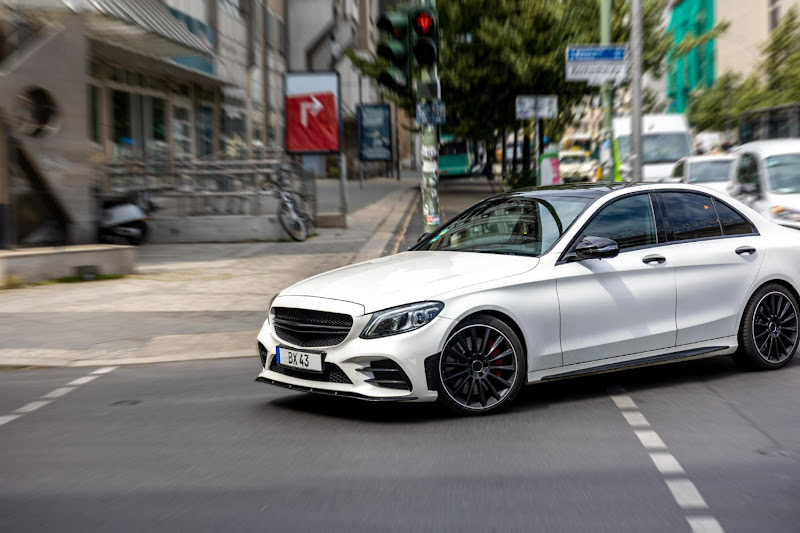
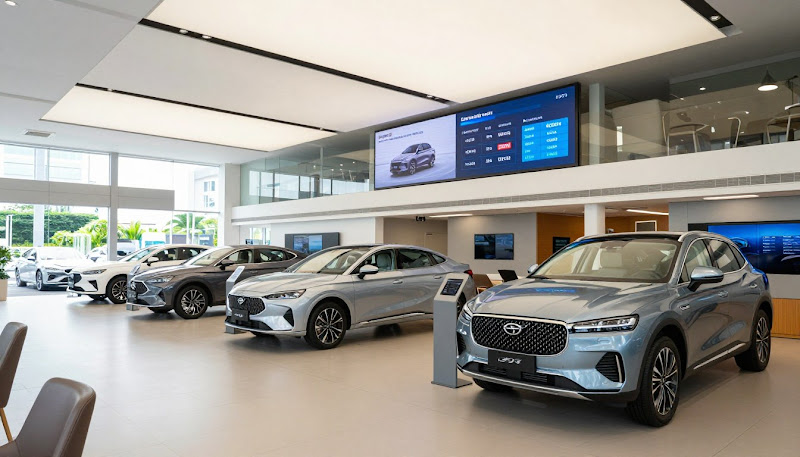
Secure a higher trade-in value by following practical, market‑proven steps. In Singapore’s competitive market, meticulous vehicle preparation, comprehensive valuation research, and assertive negotiation tactics can significantly enhance the final value you receive.
This guide details essential strategies for ensuring a seamless trade, including gathering all necessary documentation, researching current market trends, and presenting your car or device in the best possible condition. By showcasing your vehicle’s strengths and addressing any potential concerns, you can secure the most favorable offer when you upgrade to a new device.
Key Takeaways for Maximising Your Trade-In Value
- COE timing and PARF rebates are primary drivers of trade-in value
- Simple preparation often lifts offers by around 10–15%
- Obtain multiple written quotes to reveal true market value
- Trade timing (COE cycles, seasonal demand) affects final price
- Complete documentation boosts dealer confidence and improves offers
- Professional inspection reports strengthen your negotiation position
- Know depreciation milestones to set realistic expectations
- Financing terms change the total trade-in package value
Understanding Singapore’s Unique Trade-In Value Landscape
Singapore’s Certificate of Entitlement system creates valuation dynamics unlike many other markets. Beyond make and model, COE expiry, PARF rebates, and Open Market Value all feed into the final trade-in price.
Global economic shifts and commodity prices can influence local demand; Singapore’s compact market often magnifies these movements. Monitoring broader trends helps you choose the best moment to sell for maximum value.
The current valuation approach considers age, mileage, service history, and condition. Dealers also calculate remaining COE value, PARF eligibility, and demand for your model — understanding these components strengthens your negotiating position.
How COE Expiry Affects Your Trade-In Value
Valuations change as a car approaches COE renewal. Vehicles with several years of COE left typically carry a higher trade-in value; when expiry nears, offers shift toward residual and PARF-related calculations.
Smart sellers time trades to avoid steep depreciation milestones or to capture windows created by COE bidding cycles.
PARF Rebates and Residual Value Calculations
PARF rebates reward deregistration before a vehicle reaches ten years. Rebates vary by original ARF paid and the car’s age; cars deregistered between five and ten years commonly yield graduated rebates that materially affect trade-in value.
Dealers include PARF in offers automatically, but checking the LTA’s PARF calculator for your expected rebate gives you a factual baseline to discuss the exact rebate amount during negotiations.
Essential Preparation Steps to Maximise Trade-In Value
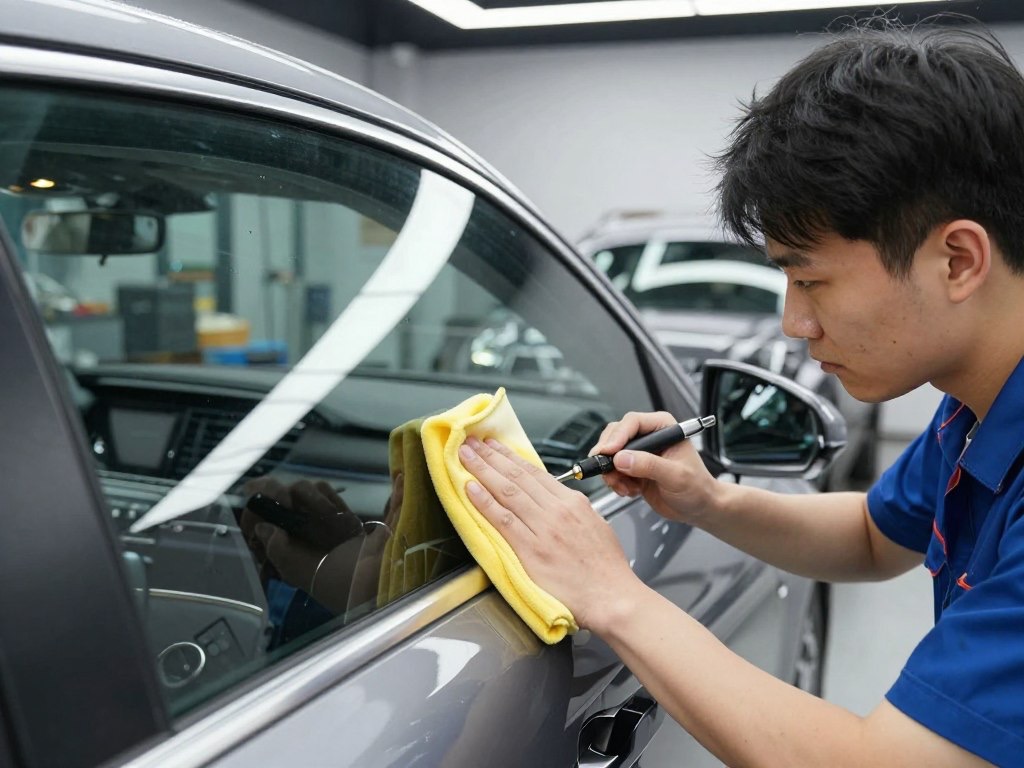
Preparation materially affects the trade-in value dealers will offer. A clean, well-maintained car signals responsible ownership and reduces perceived risk — small, low-cost improvements often deliver the best return on investment.
Begin with a thorough interior and exterior clean. Professional detailing is a modest expense compared with the potential uplift in final value, because first impressions strongly influence dealer valuations.
1. Documentation That Boosts Dealer Confidence
Gather complete service records, receipts from authorised centres, warranty papers, and original purchase documents. Presenting organised data about the car’s history reassures evaluators and typically yields stronger offers.
Essential Documents Checklist
- Service history from authorised dealers
- Original purchase invoice and registration card
- Current road tax and insurance certificates
- COE records (if applicable) and recent inspection reports
- Warranty and extended coverage documents
2. Address Minor Repairs First
Dealers’ discount for visible defects. Fix windscreens, tyres, lights, and obvious paint chips before inspection — these small fixes remove bargaining points and help protect advertised condition. Avoid major mechanical overhauls unless a trusted mechanic confirms the repair will add more to trade-in value than it costs.
Essential Documentation and Transfer Process Steps

Complete paperwork speeds transfers and avoids last-minute haggling. The LTA’s portal handles ownership changes; assemble the required documents before your appointment to prevent delays.
1. Required Documents — Quick List
Bring your registration card, service records, original invoice, road tax, and insurance certificates. If you have aftermarket telematics, note the VIN and any device IMEI for clarity (VIN is the primary vehicle identifier).
Before Appointment
- Service records and receipts
- Original purchase documents and registration card
- Valid road tax and insurance
- VIN (and IMEI for aftermarket telematics, if applicable)
- Remove personal items from the vehicle
During Inspection
- Present the organised documents folder
- Point out recent maintenance or new parts
- Disclose known issues honestly
- Request a written valuation detailing the offer
After Accepting the Offer
- Review the transfer agreement carefully
- Verify the exact trade-in value stated
- Confirm payment method and timing
- Retain copies of all signed documents
2. LTA Transfer Procedures
Most dealers handle transfer fees and paperwork as part of the acquisition; confirm whether the dealer or seller pays any standard fees. Ask for an estimated completion timeline and follow up if paperwork lags.
Strategic Timing for Maximum Vehicle Trade-In 2026 Value

When you trade matters. COE bidding cycles, seasonal demand, and broader economic conditions can push offers up or down — timing your sale can add measurable value.
Rising COE premiums often make used cars more attractive, lifting trade-in value. Conversely, falling COE premiums can reduce dealer demand for used stock. Monitor LTA announcements and local market signals to pick the best window to sell.
COE Cycle Considerations
COE premiums change monthly; when premiums rise, dealers face higher new‑car prices and typically pay more for used vehicles. Aim to avoid trading during brief periods of weak used‑car demand caused by a cheap new‑car supply.
Seasonal Demand Patterns
Dealerships often offer competitive deals at year‑end, during quota-driven campaigns, and around major holidays when buyers upgrade family vehicles. School holidays and cultural festivals can also increase demand for certain model types.
Expert Tip: Cars with roughly three to five years of COE remaining often hit a sweet spot — they balance remaining utility with manageable depreciation, making them attractive to dealers and buyers.
Proven Car Trade-In Tips for Negotiation Success

Negotiation wins come from preparation, clarity, and confident presentation. Understand dealer constraints (reconditioning, holding costs, margins), and you can frame a reasonable case for higher value.
Always separate the trade-in discussion from any new device purchase. Agree on a written trade-in figure first, then negotiate the new-car price so dealers cannot obscure reductions by shifting numbers between deals.
- Negotiation wins come from preparation, clarity, and confident presentation.
- Understand dealer constraints (reconditioning, holding costs, margins) to frame a reasonable case for higher value.
- Always separate the trade-in discussion from any new device purchase.
- Agree on a written trade-in figure first, then negotiate the new-car price to prevent dealers from obscuring reductions.
When to Walk Away
- Set a minimum acceptable trade-in value before starting negotiations.
- If offers consistently fall below that, be prepared to decline.
- If several reputable dealers provide similar low quotes, recalibrate expectations instead of prolonging negotiations.
Common Trade-In Value Mistakes to Avoid

Avoid predictable errors that reduce offers. Many sellers unintentionally lower their final trade-in value through simple oversights.
Top Mistakes
- Skipping final servicing or professional cleaning — poor appearance lowers perceived condition.
- Accepting the first verbal offer — always get written quotes with terms and validity dates.
- Mixing trade-in and new-purchase negotiation — this lets dealers obscure true value.
- Letting emotional attachment inflate expectations — use market data to set realistic targets.
- Over-investing in major repairs that don’t recoup costs at trade-in.
Evaluate the Whole Package
Don’t fixate on the trade-in figure alone. Compare total offers, including financing, warranty, servicing packages, and any add-ons. A slightly lower trade-in paired with better financing or free maintenance can be the superior overall deal.
Smart Practices
- Research multiple valuation sources
- Present organised documentation
- Address minor repairs and detailing
- Negotiate trade-in separately from new purchase
- Obtain written offers from multiple dealers
Costly Pitfalls
- Skipping cleaning or final maintenance
- Accepting verbal offers without documentation
- Combining trade-in and new car negotiations
- Trading during unfavourable market windows
- Relying on emotion instead of market figures
How Financing Affects Overall Trade-In Value Packages
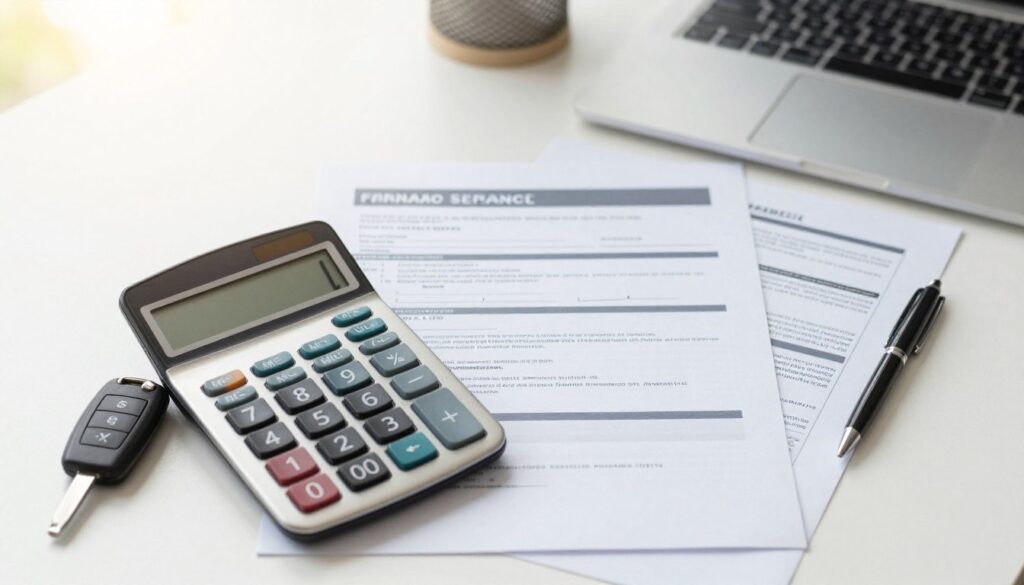
Financing choices change the total transaction value. Dealers may offer stronger trade-in figures when you take their financing because they earn commissions or package benefits — so always compare complete offers, not just the headline trade-in amount.
Calculate the total payment amount (trade-in + down payment + interest over the loan term) to compare scenarios. A higher trade-in with expensive dealer finance can be worse than a slightly lower trade-in combined with cheaper external financing.
Financing Options That Complement Trade-Ins
Common structures include hire‑purchase and dealer or bank loans. Your trade-in value commonly serves as the down payment. Shop both dealer programmes and bank offers: compare interest rates, loan tenures, and total repayment amounts before deciding.
Getting pre‑approved by a bank or credit union strengthens your negotiating position and shows you the true purchasing power when purchasing new. External finance often yields better rates, but dealers will sometimes offset that with a more competitive trade-in.
Paragon Motors partners with financial institutions to offer tailored car financing that aims to balance trade-in value and favourable terms — confirm all figures in writing before committing.
Understanding Total Cost of Ownership
Look beyond sticker price and trade-in alone. Insurance, road tax, fuel efficiency, and maintenance affect yearly ownership cost. Use a simple break-even check: if Dealer A offers $2,000 more trade-in but their loan adds substantially higher interest, calculate whether that $2,000 is offset by extra interest over your loan term.
Vehicle Trade-In 2026 Market Trends and Predictions

Several evolving trends are shaping trade-in value in 2026: electrification, stronger value retention for tech-rich models, and supply‑chain effects on new car availability. Understanding these helps you position your vehicle to capture better offers.
1. Electric Vehicle Impact on Traditional Trade-Ins
EV adoption is gradually shifting buyer demand. As incentives and charging infrastructure expand, certain petrol/diesel models may see slower value growth over time. In the near term, conventional, fuel‑efficient models with solid service records still hold value well.
2. Technology Features and Value Retention
Modern safety, driver‑assist, and connectivity features improve desirability. When trading a newer vehicle, highlight these systems and provide any software‑update records to show the device and vehicle have been maintained.
2026 Market Insight: Forecasts indicate modest growth in Singapore’s automotive sector through 2026; expect gradual shifts rather than abrupt price swings, but monitor policy and supply changes.
3. Supply Chain Factors
New‑car shortages or delivery delays often push buyers toward used cars, lifting trade-in offers. Conversely, plentiful new inventory can soften used-car demand. Check local dealer stock levels: low new-car availability is a good signal for stronger trade-in value.
Frequently Asked Questions About Trade-In Value
What documents do I need to trade in my car in Singapore?
Bring your vehicle registration card, current road tax, valid insurance, complete service records, and the original purchase invoice. Carry photo ID (NRIC or passport). Having organised documents speeds inspection and often improves the offer.
How much can I expect for my car trade-in in Singapore?
Expect a wide range. Valuations depend on age, model, condition, mileage, service history, remaining COE/PARF, and demand. As a rule of thumb, trade-in offers often fall around 60–75% of comparable retail prices for well‑maintained cars.
Is it better to sell privately or trade in my car?
Private sales usually return 10–20% more but require time, viewings, and paperwork. Trade-ins offer speed and convenience — dealers handle the LTA transfer and logistics. Choose based on whether you prioritise maximum value or convenience.
When is the best time to trade in my car for maximum value?
Trade before key depreciation milestones (roughly at 3, 5, 7, and 10 years). Watch COE premiums and seasonal demand — year‑end and holiday periods often boost offers. Also avoid trading immediately before expected repair-heavy periods.
Can I trade in a car with existing finance or outstanding loans?
Yes. Dealers commonly settle outstanding loans; any remaining trade-in value goes toward your next purchase. If you have negative equity, you’ll need to pay the difference or roll it into new financing — confirm payoff amounts with your lender first.
How do dealers determine my car’s trade-in value?
Dealers assess physical condition, service history, mileage, remaining COE or PARF value, current demand for your model, and reconditioning costs. They compare recent wholesale and retail prices to set a practical offer.

Why Singaporean Car Owners Choose Paragon Motors
- No-obligation professional valuations
- Competitive offers based on current market conditions
- Complete LTA paperwork handling
- Flexible financing options
- Transparent process with written agreements
- Convenient scheduling for busy professionals
Get the Maximum Value for Your Vehicle with Paragon Motors
Paragon Motors offers transparent, market-based valuations and handles documentation and the transfer process to make your trade straightforward; we also provide flexible financing to suit different terms and conditions.
Email: sales@paragonmotors.com.sg
Phone: +65 9632 2370
Visit Our Showroom: 60 Jln Lam Huat, #05-18, Singapore 737869
Open Monday-Saturday, 9:00 AM – 7:00 PM
Connect With Us: @SGParagonMotors